

Have you ever pulled up a plant and noticed those fine white threads clinging to the roots? That’s not mold.That’s not disease. That’s a very good thing. It’s called mycorrhizae (pronounced my-co-RYE-zuh), and once you understand what it is, you’ll never look at your soil the same way again. Why It Matters in Your Vegetable…
Why You Should Stop Pulling Up Vegetable Plants (and What to Do Instead)
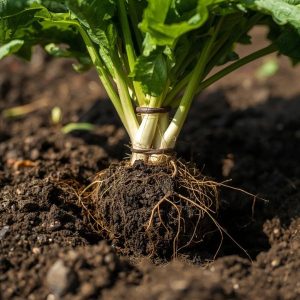
There is one garden habit I only started using fairly recently. For years, I thought pulling plants out by the roots was the right way to clean up my vegetable garden. A neat, empty bed felt productive — like I was finishing the season properly. But what I didn’t realize was that in trying to…
How to Use an In-Ground Worm Composting Bin in Your Raised Beds (Easy Red Wiggler Guide)
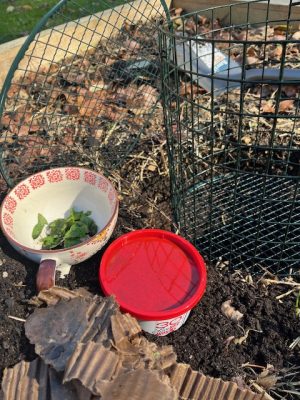
When the gardening season starts winding down, it’s the perfect time to tackle those garden projects on your to do list. And this one—adding an in-ground worm composting bin right into your raised bed has been on mine for quite a while. Our unseasonably warm weather, and some downtown in the garden gave me a…
How to Make Leaf Mold for Healthy Soil: The Easiest Fall Garden Project
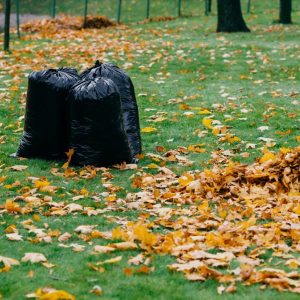
If your yard is anything like mine, fall arrives and suddenly the yard is covered in leaves. And not just the yard, the driveway, deck and the gutters. Instead of bagging them up for the curb, this is the perfect time to put them to work in your garden — because those leaves can do…
Goodbye Tiller, Hello Raised Beds!
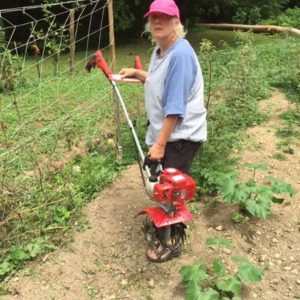
For years, every spring started the same way.I’d drag out the old tiller, spend hours wrestling it through our heavy clay soil, and then spend the rest of the season pulling weeds that seemed to grow faster than my vegetables. Then one day I finally discovered the secret to growing a successful, low-maintenance garden: raised…
Using Cover Crops in Small Gardens and Raised Beds
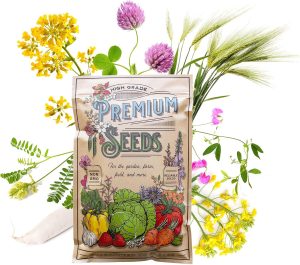
As a home gardener, you may not have thought much about cover crops—or maybe you’ve assumed they’re only for farmers with big fields of corn or wheat. The truth is that cover crops can be just as useful in a small backyard garden and raised beds as they are on a farm. Whether you grow…
Is That Powdery Mildew on Your Squash Leaves? Here’s How to Tell (and What to Do About It)
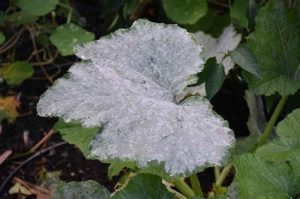
If you’ve ever walked out to your garden, looked at your squash or cucumber plants, and noticed white or silvery-looking spots on the leaves, you might immediately think “uh-oh, powdery mildew,” and reach for the spray bottle. But hold up—not all white patches are cause for concern. First: Is It Really Powdery Mildew? Many types…
When to Use Organic Phosphorus Fertilizer in Your Vegetable Garden (And Why It Works Better Than Balanced Fertilizer)
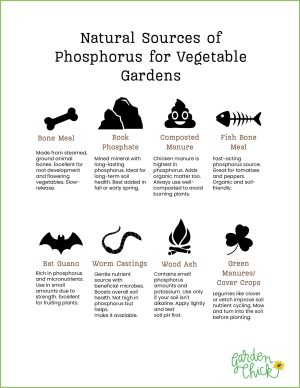
When you hear “fertilizer,” your first thought might be a balanced blend like 10-10-10 or an all-purpose organic option. But sometimes, your garden needs a more targeted boost—especially when it comes to phosphorus, the nutrient that fuels strong root growth and flower (and eventually fruit) development. If your vegetables are looking lush and green but…
Azomite: A Little Dust That Packs a Big Punch in the Garden

If you’ve heard gardeners mention Azomite and wondered what the fuss is about, here’s the simple explanation because I like simple! What is Azomite?Azomite is a natural rock dust packed with over 70 trace minerals. It comes from ancient volcanic ash deposits and looks like a fine gray powder. You just mix it into your…
Worm Castings: Boosts Your Gardens Health Naturally

Every spring, when I am planning my spring garden, I’m always sure to add worm castings along with compost and cow manure. It’s a great way to get my garden started out on the right track. Then when I transition to my summer garden full of vegetables that are heavy feeders, I repeat the process….