

One of the biggest myths about growing your own vegetables is that you need a garage full of tools to get started.
You don’t.
Especially if you’re gardening in raised beds, a small set of well-chosen hand tools will take you a long way — without clutter, overwhelm, or unnecessary expense.
Before the season gets busy, this is a great time to check what you already have, clean up what still works, and decide what’s actually worth adding this year.
Start with the Basics (You’ll Use These All the Time)
If you grow vegetables in raised beds, these are your everyday, reach-for-them-first tools.
Hand Trowel or Transplanter:
A sturdy hand trowel is your workhorse tool.
You’ll use it for:
-
Transplanting seedlings
-
Digging small holes
-
Scooping soil and compost
Look for one with a comfortable handle and a solid metal blade — fancy isn’t necessary.
Dibbler (with Seed Spacing Ruler = Bonus) This is one of those tools gardeners don’t realize they need — until they use one.
A dibbler helps you:
-
Make consistent planting holes
-
Plant seeds at the correct depth
-
Space seeds evenly (especially helpful for square foot gardening)
If yours includes a seed spacing ruler, even better. It takes the guesswork out of planting and keeps beds neat and evenly spaced.
Clippers or Pruners
You don’t need heavy-duty loppers for raised beds, but a good pair of hand pruners is essential.
Use them for:
-
Harvesting herbs and vegetables
-
Cutting spent plants
-
Trimming back flowers and small stems
Sharp, clean pruners make harvesting easier and reduce damage to plants.
Comfort Counts (Because You’ll Garden Longer)
Knee Pads or a Kneeling Pad
If you spend time planting, harvesting, or weeding up close, knee pads or a kneeling pad can make a big difference.
They’re especially helpful in raised beds where you’re leaning in rather than standing upright the whole time.
Tool Caddy or Garden Tote
You don’t need a big toolbox — just something to carry:
-
Hand tools
-
Twine
-
Pruners
-
Plant labels
- Seeds
A simple garden tote or caddy keeps everything in one place so you’re not running back and forth to the house.
Planting & Growing Supports
These tools don’t get used every day — but when you need them, they matter.
Garden Twine
Garden twine is inexpensive and endlessly useful.
You’ll use it to:
-
Tie plants to trellises
-
Support tomatoes and peas
-
Bundle plants at the end of the season
- Create “squares” in your square foot garden
Natural jute twine works well and breaks down over time.
Hoops (for Raised Beds)
Hoops turn your raised bed into a flexible growing space.
Use them to support:
-
Frost cloth
-
Insect netting
-
Lightweight plastic for early or late season protection
They’re one of the most useful additions you can make if you want to extend your growing season and protect from pests.
Frost Cloth
Frost cloth helps protect young plants from unexpected cold snaps in spring and fall.
It’s lightweight, breathable, and reusable — and much easier than scrambling when temperatures suddenly dip.
Insect Netting
If pests are an issue where you garden, insect netting can be a game changer.
It helps protect crops like:
-
Broccoli and cabbage
-
Squash and cucumbers
-
Leafy greens
Paired with hoops, it creates a simple physical barrier — no sprays needed.
Do a Simple Garden Tool Check-In
Before you buy anything new:
-
What do you already have?
-
What needs replacing?
-
What would actually make gardening easier this season?
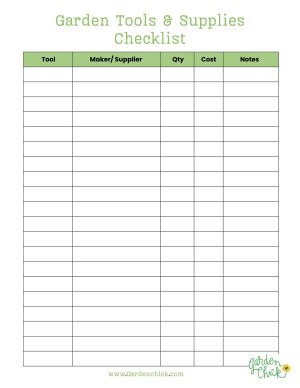
One Small Step to Take This Week:
Pick one afternoon to:
- Download and Print the Garden Tools and Supplies Checklist
- Make a list of what you have and what you need
- Browse the garden centers or online to get the best price. Put those prices on your list.
That’s it.
Being garden-ready isn’t about having more — it’s about being prepared with what you’ll actually use.
Happy Gardening
Karen
You’ve got the tools — now let’s put them to work.
The No Fuss Garden Course gives you step-by-step guidance for setting up and growing a vegetable garden in raised beds — plus live quarterly coaching calls on Zoom, where you can bring your questions, troubleshoot issues, and get support as the seasons change.
Leave a Reply