

If you’ve followed me for a while, you know I talk a lot about timing in the garden.
Not zones… not charts… not what your neighbor is planting.
Just timing.
And it all starts with one thing:
Your frost dates.
Most gardeners focus so much on their USDA zone that they forget it tells you nothing about when to plant your vegetables. Zones only measure winter lows—not spring weather, not warm nights, and definitely not when it’s safe to put tomatoes outside.
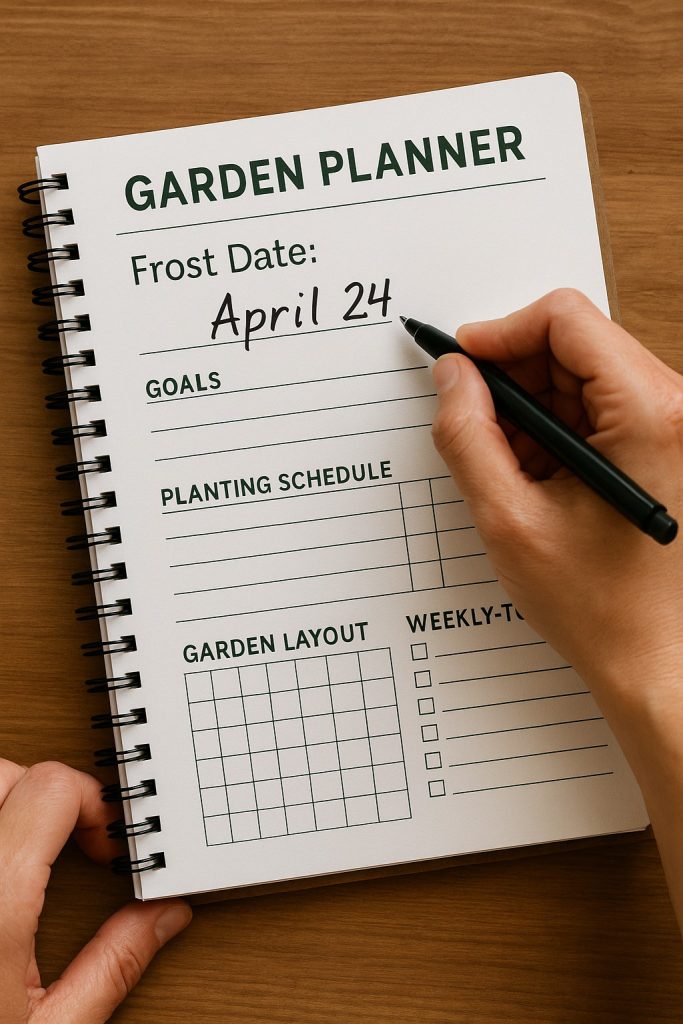
Your last spring frost date and first fall frost date are your garden’s personal calendar.
Cool-Season Crops Love the Cold
Your spring garden can be planted weeks before your last expected frost.
That means you don’t have to wait for warm weather to start growing!
Cool-season vegetables prefer chilly soil and crisp mornings.
Think:
-
Lettuce
-
Spinach
-
Carrots
-
Broccoli
-
Peas
-
Radishes
These crops get bitter or bolt when the heat hits.
Plant them too late, and you’ll miss your window.
But start them before your last frost—using that frost date as your guide—and you’ll harvest earlier and longer.
Warm-season vegetables are the ones that will disappoint you if you plant them too early.
I’m talking about these:
-
Tomatoes
-
Peppers
-
Cucumbers
-
Squash
-
Okra
-
Green beans
-
Basil
Even one chilly night can stunt their growth for weeks.
They might survive—but they won’t thrive.
That’s why you plant warm-season crops after all danger of frost has passed and when nights are consistently mild.
Your frost date gives you the green light.
Forget Zones — Focus on Timing
Zones are helpful for choosing perennials, herbs, and shrubs.
But for vegetable gardening?
Zones won’t tell you when spring arrives or when cold weather returns.
Your frost dates do.
Think of it this way:
❌ Zones = what winter temperatures your plants can survive
✅ Frost dates = when to plant your vegetables
Once you know your frost dates (both spring and fall), you can map out your entire garden season with confidence.
How to Find Your Frost Dates
Finding your frost dates is simple, and it only takes a minute.
1. Use the Farmer’s Almanac Online Tool
Go to the Farmer’s Almanac frost date finder.
Type in your ZIP code.
It will give you:
-
Your last spring frost date
-
Your first fall frost date
-
Probabilities (like 30% or 50% risk of frost)
I always recommend using the 50% probability—it’s the most practical for gardeners.
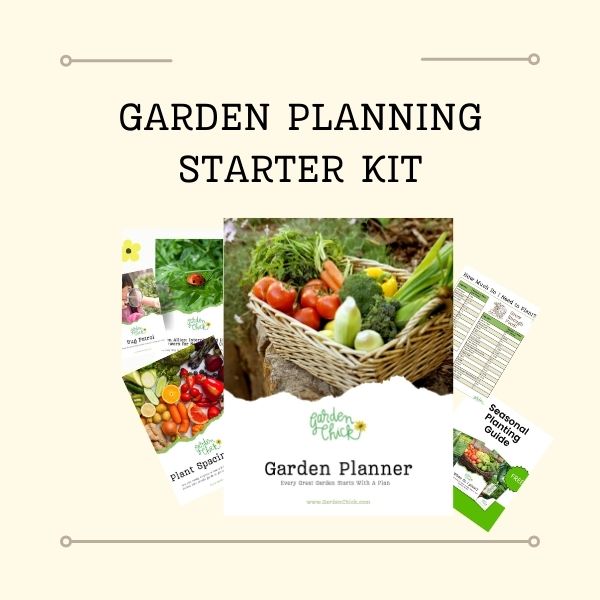
Once you know your frost dates, the next step is getting your garden plans out of your head and onto paper — and that’s exactly where my 66-page Garden Planner comes in.
You don’t have to guess your way through garden planning next year.
Get the Garden Planner Pack and start organizing everything—from frost dates to planting schedules to your layout—in one place. And as a bonus, you’ll get an invite to my January live class, where we’ll plan together and get you ready to hit the ground gardening this spring.
👉 Get your planner + January class invite here. Enjoy the Green Friday Price of just $9
Karen
Leave a Reply