

What Seeds Can You Start Indoors in January?
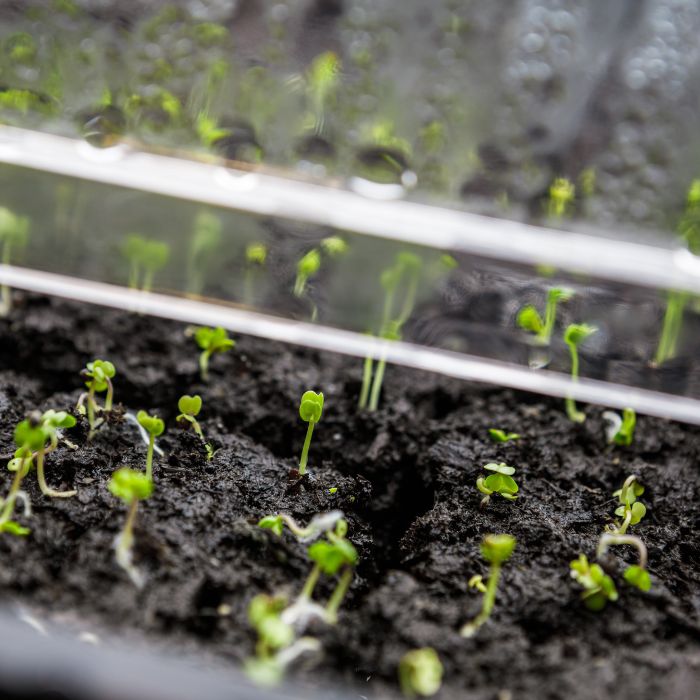
January might feel early, but for many gardeners, it’s the perfect time to get a quiet, steady start on the growing season. When winter weather keeps you out of the garden, starting seeds indoors scratches that gardening itch and reminds you that spring really is coming.
Not everything should be planted this early — but some vegetables, herbs, and flowers need that head start to do well. The key is knowing what to start and when to move them outside.
How to Know When to Start Seeds Indoors
The most important date for seed starting isn’t your zone — it’s your average last frost date.
Here’s how it works:
- Look up your last expected frost date. Write that date on your calendar.
- Check the seed packet for “start indoors X weeks before last frost”
- Count backward on the calendar. Write that date on your calendar.
GRAB A FREE SEED STARTING SHEET HERE
Example:
If your last frost date is April 15 and a seed packet says, “start indoors 10–12 weeks before last frost,” January is exactly the right time.
This is why January seed starting works well for:
- Slow-growing plants
- Cold-tolerant seedlings
- Plants that need a long season to mature
Vegetables You Can Start Indoors in January
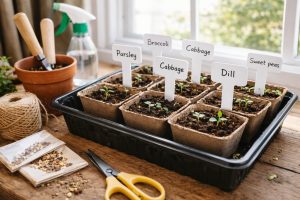
These vegetables grow slowly and benefit from extra time indoors:
- Onions (from seed)
- Leeks
- Celery or celeriac
- Broccoli
- Cabbage
- Cauliflower
💡 Tip: These seedlings can handle cooler conditions and are often transplanted into the garden before your last frost date.
Herbs to Start Indoors in January

Many perennial and slow-starting herbs do best with an early start:
- Parsley (slow to germinate)
- Thyme
- Sage
- Chives
- Oregano
These herbs grow slowly at first, so starting them now means sturdier plants by spring.
Flowers You Can Start Indoors in January
Flowers aren’t just pretty — many attract pollinators and beneficial insects to your vegetable garden.
Good January starters include:
- Snapdragons
- Sweet peas
- Lisianthus
- Delphinium
- Pansies
These flowers prefer cool temperatures and take a long time to mature, which makes January ideal.
When Do Seedlings Move to the Garden?
Starting seeds indoors is only half the process. Timing the move outside matters just as much.
1. Watch the calendar
Most seedlings are transplanted:
- 2–4 weeks before last frost (cool-season crops)
- After last frost (warm-season crops)
2. Harden them off
Before planting outside:
- Gradually expose seedlings to outdoor conditions
- Start with 1–2 hours a day
- Increase over 7–10 days
3. Check size, not just age
Seedlings are ready when they:
- Have several true leaves
- Look sturdy, not stretched or floppy
What Not to Start in January
Save these for later — they grow fast and can outgrow your space:
- Tomatoes
- Peppers
- Squash
- Cucumbers
- Basil
Starting these too early often leads to leggy plants, extra work, and plants that don’t thrive. January seed starting isn’t about doing more — it’s about starting the right things at the right time. As you plan your seed starting, remember to start with your last frost date and check the seed packet for guidance on when to start indoors. January works for some seeds in some locations — but depending on your frost date, February or even later may make more sense. There’s no rush. Starting at the right time is what matters most.
Ready to Plan Your Garden with Confidence?
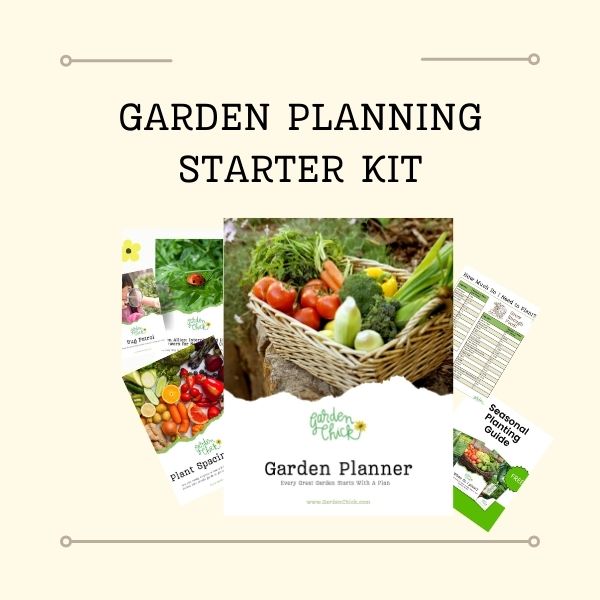
If you want help putting all of this together, grab my Gardening Planning Starter Kit.
You’ll get:
-
66-Page Garden Planner
-
Quick Maintenance Tips
-
Garden Allies Natural Pest Control eBook
-
Raised Bed Checklist
-
Square Foot Gardening Spacing Guide
-
Seasonal Planting Guide
Everything is designed to help you plan once, start at the right time, and grow with less stress all season long.
👉 Grab the Gardening Planning Starter Kit here
Happy Gardening
Karen
Leave a Reply