

I live in an older home with fireplace. Many years ago, we purchased a wood burning fireplace insert for it. We knew if we wanted a warmer house without astronomical heating bills, we had to look for alternatives. We generally don’t use it unless the temperatures get below freezing and we’ve had a few opportunities already this year.
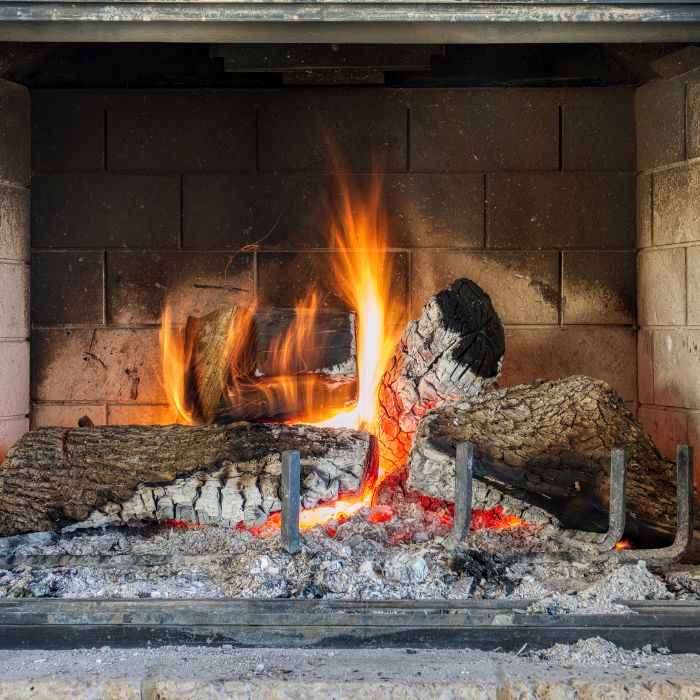
If you heat your home with a fireplace or wood stove, you’ve probably looked at that bucket of ashes and thought…
Could this go in the garden?
The short answer is sometimes—but very carefully.
Wood ash can be useful in a vegetable garden, but it’s easy to overdo it and cause more harm than good.
Let’s break down what wood ash does to your soil, why pH matters, and the pros and cons—so you’re not guessing whether it belongs in your garden.
Wood ash is what’s left after untreated, natural wood is burned.
It contains small amounts of nutrients, including:
-
Calcium (the main component)
-
Potassium
-
Trace minerals like magnesium and phosphorus
Think of wood ash as a very mild soil amendment, not a fertilizer.
⚠️ Important:
Never use ash from painted, stained, pressure-treated wood, plywood, charcoal, or briquettes. Those can contain chemicals you do not want in your vegetable garden.
How Wood Ash Affects Soil pH
This is the biggest issue—and the reason many gardeners run into trouble.
Wood ash is alkaline, meaning it raises soil pH (makes soil less acidic).
In fact, wood ash acts a lot like lime, but faster and less predictable.
Why That Matters
Most vegetables prefer soil that’s slightly acidic to neutral:
-
Ideal range: pH 6.0–7.0
If your soil is already in that range (or higher), adding wood ash can:
-
Lock up nutrients
-
Cause poor growth
-
Lead to yellowing leaves and weak plants
👉 Never add wood ash unless you know your soil pH.
A simple soil test (even a basic home kit) is enough to guide this decision.
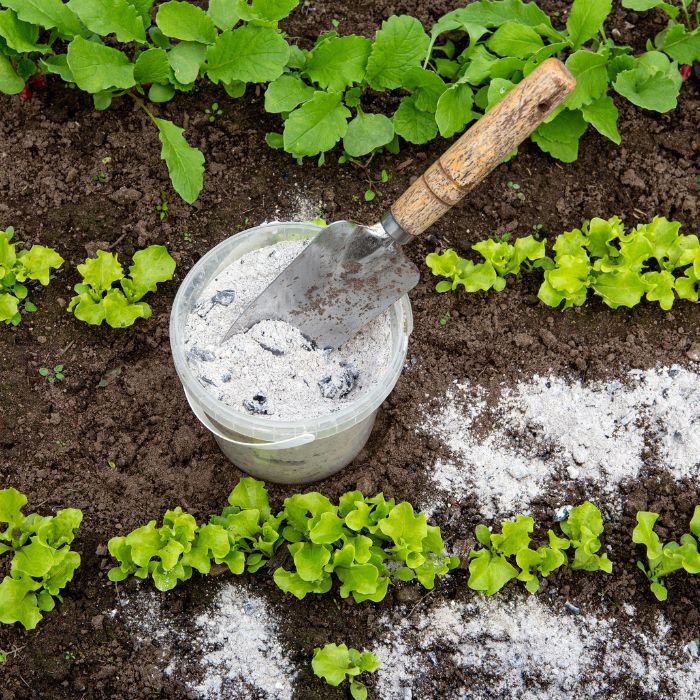
The Pros of Using Wood Ash in the Garden
When used correctly, wood ash can offer a few benefits:
✔ Raises pH in Acidic Soil
If your soil is too acidic, small amounts of wood ash can help bring it closer to neutral.
✔ Adds Potassium
Potassium supports:
-
Flowering
-
Fruit development
-
Overall plant health
✔ Calcium Boost
Calcium supports strong cell walls and can help with issues like blossom end rot—but only if calcium is actually lacking.
✔ Free and Recycled
If you already have ashes, it can feel good to reuse them instead of throwing them away.
The Cons
This is where most gardeners get into trouble.
❌ Raises pH Too Quickly
It’s very easy to apply too much—and once soil pH is off, it can take years to correct.
❌ Not Balanced Nutrition
Wood ash does not contain nitrogen, which vegetables need for leafy growth.
❌ Can Harm Soil Life
Heavy applications can damage beneficial soil organisms and earthworms.
❌ Not Suitable for All Plants
Avoid using wood ash around acid-loving plants like:
-
Potatoes
-
Blueberries
-
Strawberries
-
Rhubarb
How (and If) to Use Wood Ash Safely
If your soil test shows acidic soil and you want to try using wood ash, here’s how to do it safely:
✔ Use Very Small Amounts
-
No more than ½ cup per 10 square feet
-
Think dusting, not dumping
✔ Apply in Fall or Winter
This gives the soil time to adjust before planting season.
✔ Mix It In
Spread evenly and lightly work it into the soil—never leave it piled on top.
✔ Never Use as a Regular Amendment
Wood ash is an occasional fix, not a yearly habit.
A Simpler Alternative
For most home gardeners, especially raised-bed gardeners, there are easier and safer ways to improve soil:
-
Add finished compost
-
Use balanced organic fertilizers
-
Build healthy soil over time instead of chasing quick fixes
In many cases, wood ash simply isn’t necessary—and skipping it avoids the risk altogether.
If you want help figuring out what your garden actually needs—and what it doesn’t—that’s exactly the kind of thing I teach inside my No-Fuss approach to gardening 🌱 Join me now to grow your best garden ever.
Karen
Leave a Reply